MARINE LIFE
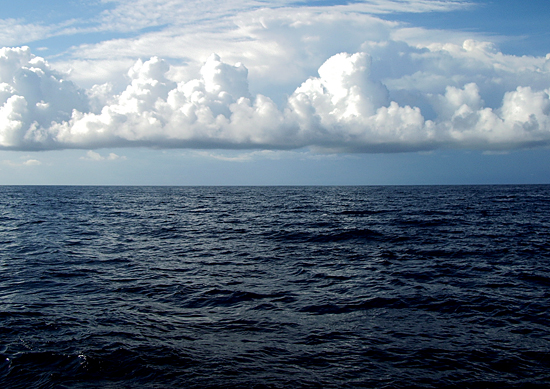
In the marine environment that we have just seen supplies different kinds of habitats that supplies marine life. Marine habitats can be divided in coastal habitats and open ocean habitats:
 |
| Coastal habitats |
 |
| Open ocean habitats |
ANIMALS
Invertebrates
Marine invertebrates are animales which live in the sea. As we have learnt invertebrates are animales without any bones. They are multicelular and they habit in marine environment. Some invertebrates could have on their own a shell or a hard exoskeleton. There are different kinds of marine invertebrates. There can be appreciated some species of marine invertebrates above:
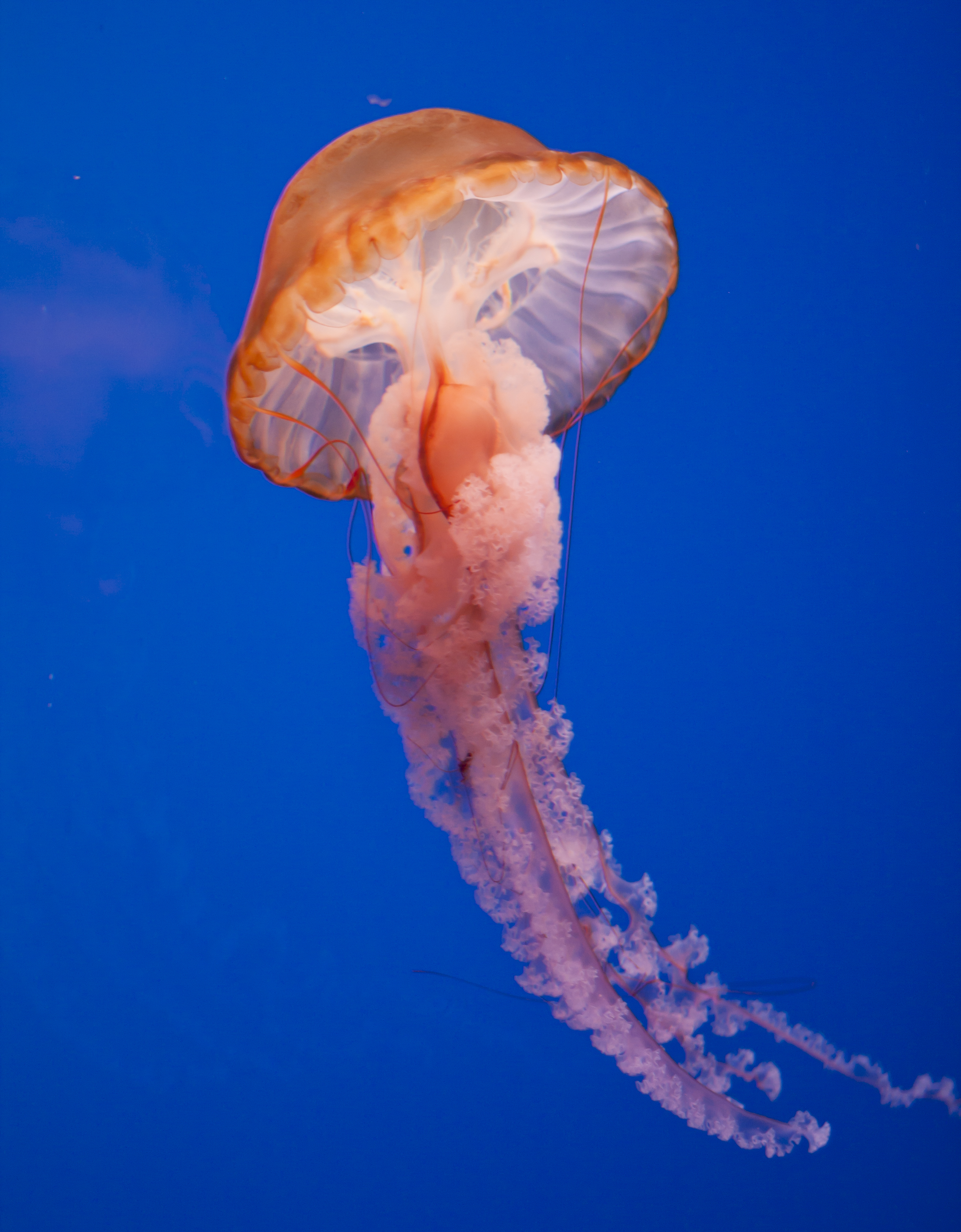 |
| Jellyfish |
 |
| Flamingo tongue snail |
 |
| Annelida |
 |
| Crustacea |
Birds
There are some birds which live in the marine environment. These birds are referred as seabirds. Most of them live in the ocean, but there can be found some species of seabirds in land. Albatross, penguins, gannets and auks are some examples of marine birds or seabirds.
 |
| Penguins |
 |
| Albatross |
 |
| Gannets |
 |
| Auks |
Mammals
Marine mammals are marine species which live in the aquatic environment. There are 129 species of marine mammals. There can be differenced the following marine mammals:
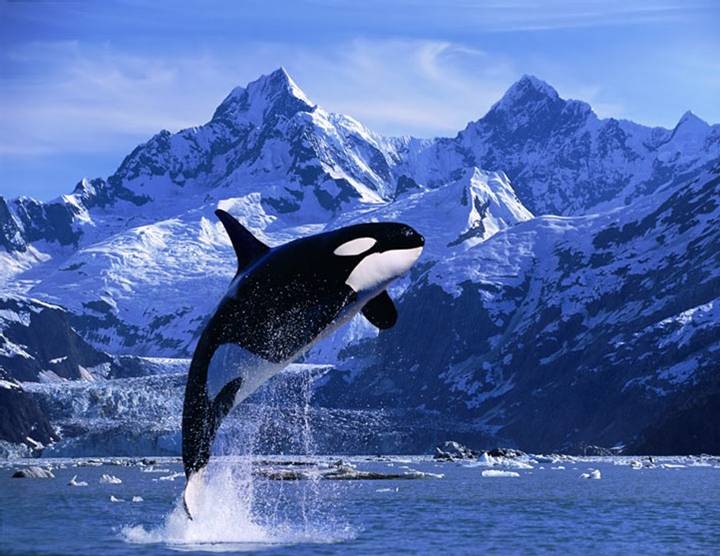 |
| Whales (in the picture orca or the kller whale) |
 |
| Seals |
 |
| Dolphins |
 |
| Walruses |
 |
| Sirenians |
Reptiles
Marine reptiles are animals which inhabit in aquatic zones because they have adapted to for an aquatic environment. Some of them put their eggs in in land and need to return to land for them. Therefore, we can say that reptiles´ reproductive method is oviparous. Here are some examples of marine reptiles.
 |
| Sea turtles |
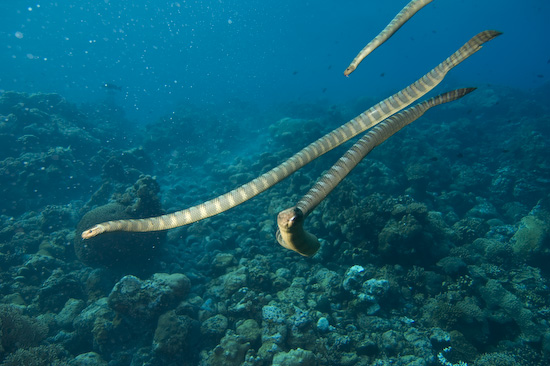 |
| Sea snakes |
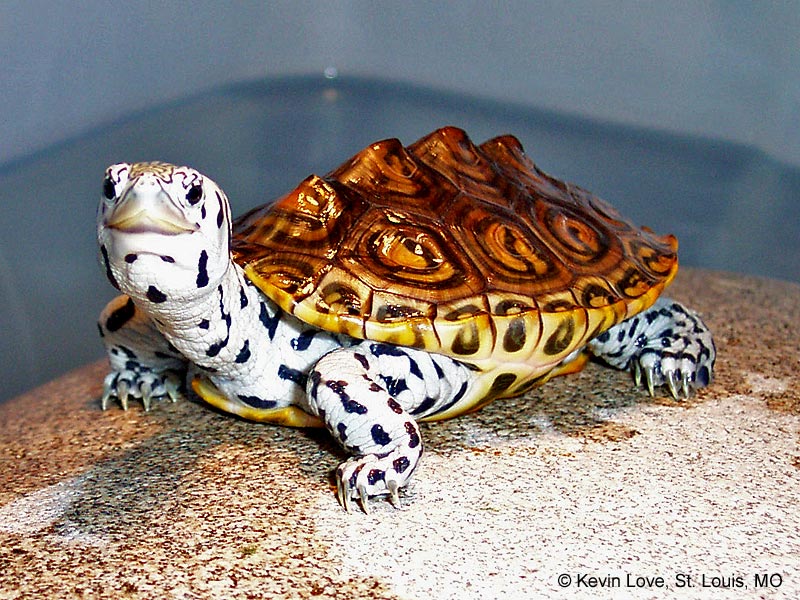 |
| Terrapins |
 |
| Marine Iguanas |
 | |||
| Saltwater crocodile |
Do you like videos?
Watch the following video in order to understand the classification of animals in a general way:
Watch the following video in order to understand properly the vertebrates and invertebrates:

No comments:
Post a Comment